Best graphics cards 2026 for gaming: our top picks


Article Overview & Key Takeaways
Ready to upgrade? Our curated list of the best graphics cards 2026 for gaming shows who each card is for, key specs, and the pros and cons you need to decide.
Gaming gear to check
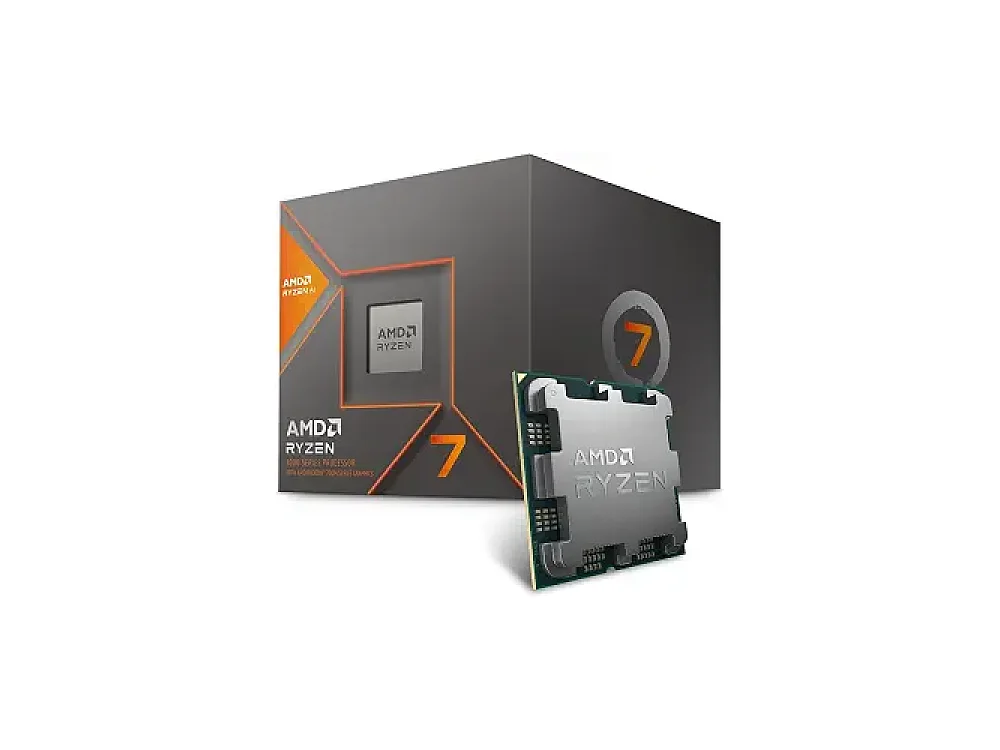 AMD Ryzen 7 8700G
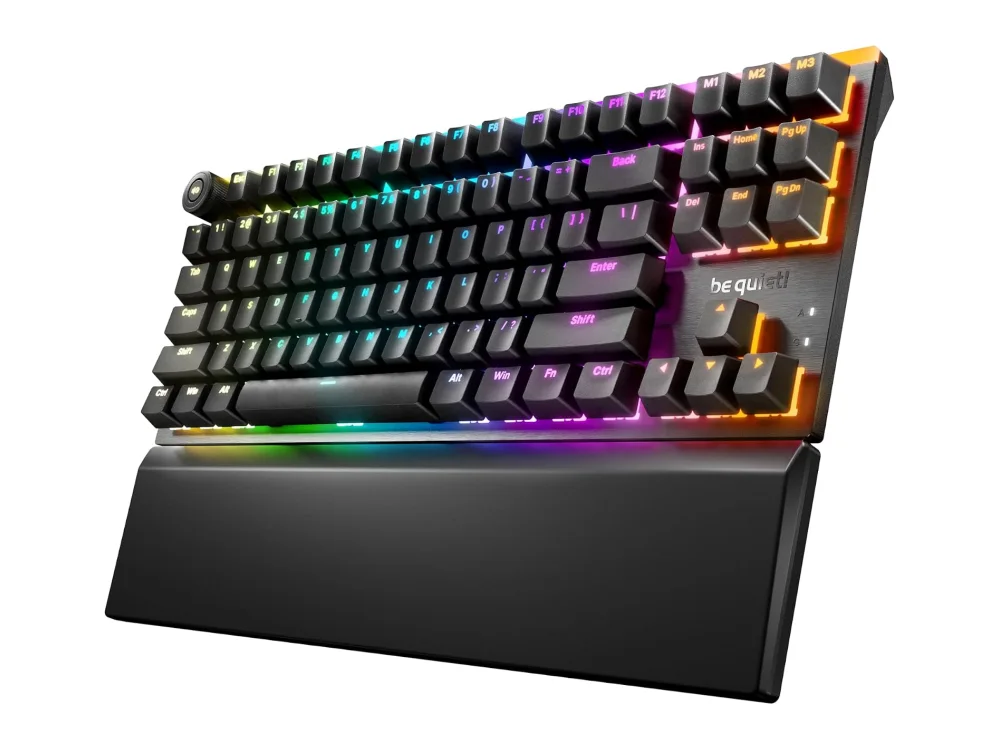 be quiet! Light Mount TKL
Choosing the right GPU can feel overwhelming, but if you’re ready to buy, we’ve done the heavy lifting. Below you’ll find the best graphics cards 2026 for gaming, broken down by performance tier, budget, and key features. For a broader view of the market, see our Graphics Cards (GPU) hub.
Each pick includes the most important specs, who it’s best suited for, and a quick pros‑and‑cons list. When you’re ready, click the product name to head straight to the official ROC product page and check the current price.
AMD Radeon RX 9060 XT 16GB graphics card
The RX 9060 XT 16GB is AMD’s sweet spot for 1440p high‑refresh gaming. It’s built on the RDNA 3 architecture and offers a solid balance of power and efficiency.
- Key specs: 16 GB GDDR6, 2,400 MHz boost clock, 250 W TDP, PCIe 5.0 x16
- Who it’s for: Gamers who want ultra‑smooth 1440p at 144 Hz and occasional 4K sessions without breaking the bank.
- Pros:
- High VRAM capacity for texture‑heavy titles.
- Excellent performance per watt.
- Supports AMD FidelityFX Super Resolution 3 (FSR 3) out of the box.
- Cons:
- Ray‑tracing performance lags behind comparable NVIDIA cards.
- Limited availability in some regions.
Want to buy a graphics card? Here are 3 similar picks:
- NVIDIA GeForce RTX 5080: High-end / 4K
- NVIDIA GeForce RTX 5060: Mainstream / 1080p
- NVIDIA GeForce RTX 5060 Ti 16GB: Mid-range / 1440p
Open a product to see its full details, then use the Amazon button there.
AMD Radeon RX 9060 XT 8GB graphics card
If you’re targeting a tighter budget but still want the RDNA 3 experience, the 8 GB variant trims VRAM while keeping the same core architecture.
- Key specs: 8 GB GDDR6, 2,350 MHz boost clock, 230 W TDP, PCIe 5.0 x16
- Who it’s for: 1080p ultra‑high settings gamers and entry‑level 1440p players.
- Pros:
- Lower price point than the 16 GB model.
- Still benefits from RDNA 3 efficiency.
- Compact PCB fits smaller cases.
- Cons:
- 8 GB may become a bottleneck in future texture‑intensive games.
- Less headroom for high‑resolution mods.
AMD Radeon RX 9070 graphics card
The RX 9070 pushes the envelope into true 4K territory while still being power‑friendly. It’s positioned as a direct competitor to NVIDIA’s RTX 4070 series.
- Key specs: 12 GB GDDR6, 2,600 MHz boost clock, 300 W TDP, PCIe 5.0 x16
- Who it’s for: 4K gamers who prioritize frame rates over ray‑tracing fidelity.
- Pros:
- Strong rasterization performance at 4K.
- Lower power draw than many 4K‑class competitors.
- Robust driver support for new titles.
- Cons:
- Ray‑tracing still trails NVIDIA’s dedicated RT cores.
- Requires a quality 850 W PSU for stable operation.
AMD Radeon RX 9070 GRE graphics card
The GRE (Gaming Reference Edition) is AMD’s factory‑overclocked version of the RX 9070, featuring a higher boost clock and a more robust cooling solution.
- Key specs: 12 GB GDDR6, 2,750 MHz boost clock, 320 W TDP, PCIe 5.0 x16
- Who it’s for: Enthusiasts who want a little extra performance without moving to the premium tier.
- Pros:
- Higher boost clock translates to ~5‑7% more performance.
- Triple‑fan cooler keeps temps under 75 °C during long sessions.
- Factory‑validated overclock eliminates the need for manual tweaking.
- Cons:
- Higher power consumption than the reference model.
- May be louder under full load.
AMD Radeon RX 9070 XT graphics card
The flagship of the 9070 family, the XT version adds extra compute units and a wider memory bus, making it the go‑to for serious 4K gamers who also want decent ray‑tracing.
- Key specs: 16 GB GDDR6, 2,800 MHz boost clock, 350 W TDP, PCIe 5.0 x16
- Who it’s for: 4K ultra‑high settings players who also dabble in ray‑traced titles.
- Pros:
- Largest VRAM buffer in the 9070 line.
- Best ray‑tracing performance among AMD’s 2026 releases.
- Future‑proof for upcoming titles with heavy texture packs.
- Cons:
- Highest power draw; a 1000 W PSU is recommended.
- Premium price compared to the non‑XT models.
Intel Arc B580 graphics card
Intel’s Arc B580 is the company’s answer to the mid‑range market, offering strong AI‑upscaled performance and competitive ray‑tracing at a modest price.
- Key specs: 8 GB GDDR6, 2,200 MHz boost clock, 210 W TDP, PCIe 5.0 x16
- Who it’s for: Builders who want Intel‑centric platforms and solid 1080p/1440p performance with built‑in XeSS AI upscaling.
- Pros:
- Excellent XeSS upscaling reduces the need for higher native resolution.
- Low power consumption makes it ideal for compact builds.
- Good driver support for newer titles thanks to Intel’s rapid updates.
- Cons:
- Ray‑tracing still lags behind AMD and NVIDIA equivalents.
- Software suite can be confusing for first‑time users.
Comparison table
| Model | VRAM | Boost Clock | TDP | Target Resolution |
|---|---|---|---|---|
| AMD Radeon RX 9060 XT 16GB | 16 GB GDDR6 | 2,400 MHz | 250 W | 1440p‑high refresh |
| AMD Radeon RX 9060 XT 8GB | 8 GB GDDR6 | 2,350 MHz | 230 W | 1080p‑ultra, 1440p‑medium |
| AMD Radeon RX 9070 | 12 GB GDDR6 | 2,600 MHz | 300 W | 4K‑high refresh (raster) |
| AMD Radeon RX 9070 GRE | 12 GB GDDR6 | 2,750 MHz | 320 W | 4K‑high refresh (raster) |
| AMD Radeon RX 9070 XT | 16 GB GDDR6 | 2,800 MHz | 350 W | 4K‑ultra with ray‑tracing |
| Intel Arc B580 | 8 GB GDDR6 | 2,200 MHz | 210 W | 1080p‑high, 1440p‑medium |
How to choose a graphics card
Understanding what matters most can save you time and money. Our How to Choose a Graphics Card for My Motherboard – Simple Guide walks you through PCIe generations, power requirements, and cooling considerations. In short, match the GPU’s performance tier to your monitor’s resolution and refresh rate, then verify that your case and PSU can accommodate its size and power draw.
FAQs
What is the most important spec for gaming?
For most gamers, the combination of VRAM and boost clock determines how well a card handles modern titles at high settings. VRAM matters for texture‑heavy games, while boost clock influences raw frame rates.
Can I use a 2026 GPU in an older PC?
Yes, as long as the motherboard supports PCIe 4.0 or 5.0 (the cards are backward compatible) and your power supply meets the TDP requirements. Check our Can I run it? tool for specific game‑GPU compatibility.
Do I need a GPU for 1080p gaming?
Even at 1080p, modern games benefit from a dedicated GPU. Integrated graphics can handle older titles, but for smooth 60 FPS+ on newer releases, a card like the Intel Arc B580 or AMD Radeon RX 9060 XT 8GB is recommended.
How does ray‑tracing affect performance?
Ray‑tracing adds realistic lighting but can cut frame rates by 30‑50% depending on the card. If you prioritize visual fidelity, look for GPUs with dedicated RT cores (NVIDIA) or higher compute unit counts (AMD). AMD’s FidelityFX Super Resolution (FSR) and Intel’s XeSS can help recover lost frames.
Conclusion
Our list of the best graphics cards 2026 for gaming covers every budget tier, from the efficient Intel Arc B580 to the powerhouse AMD Radeon RX 9070 XT. Identify your target resolution, check your case and PSU constraints, and then click the product names above to see the latest pricing and availability. Happy building!
Keep reading: more on Graphics Cards (GPU)
Keep reading
Gaming gear on Run On Console
 Razer Viper V4 Pro vs Razer Naga V3 Pro
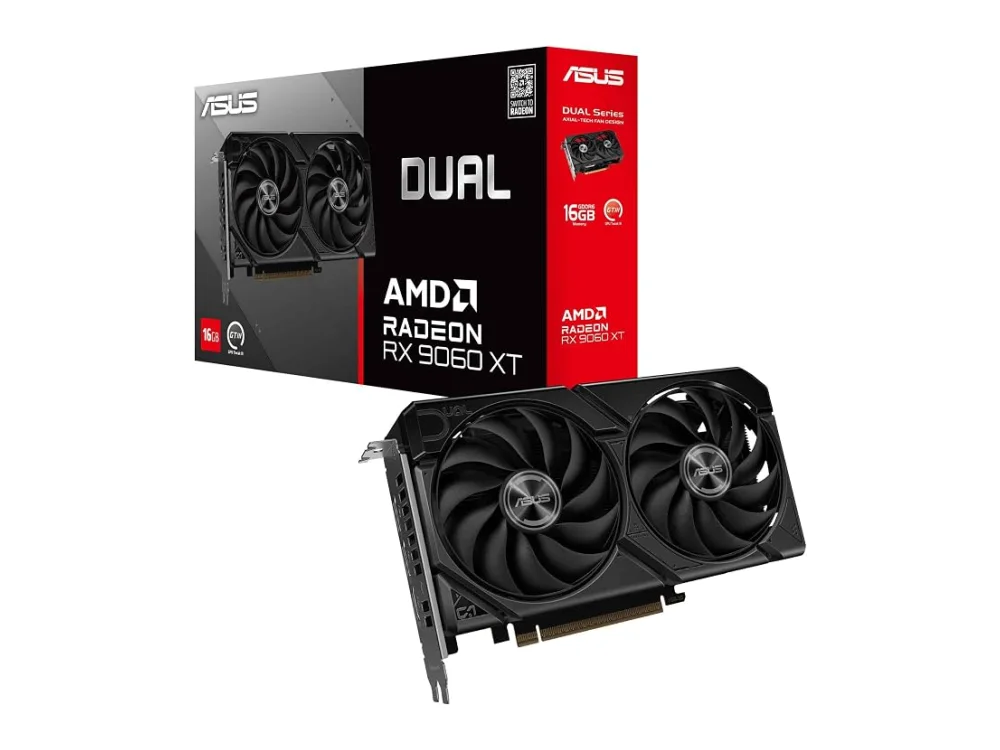 AMD Radeon RX 9060 XT 8GB
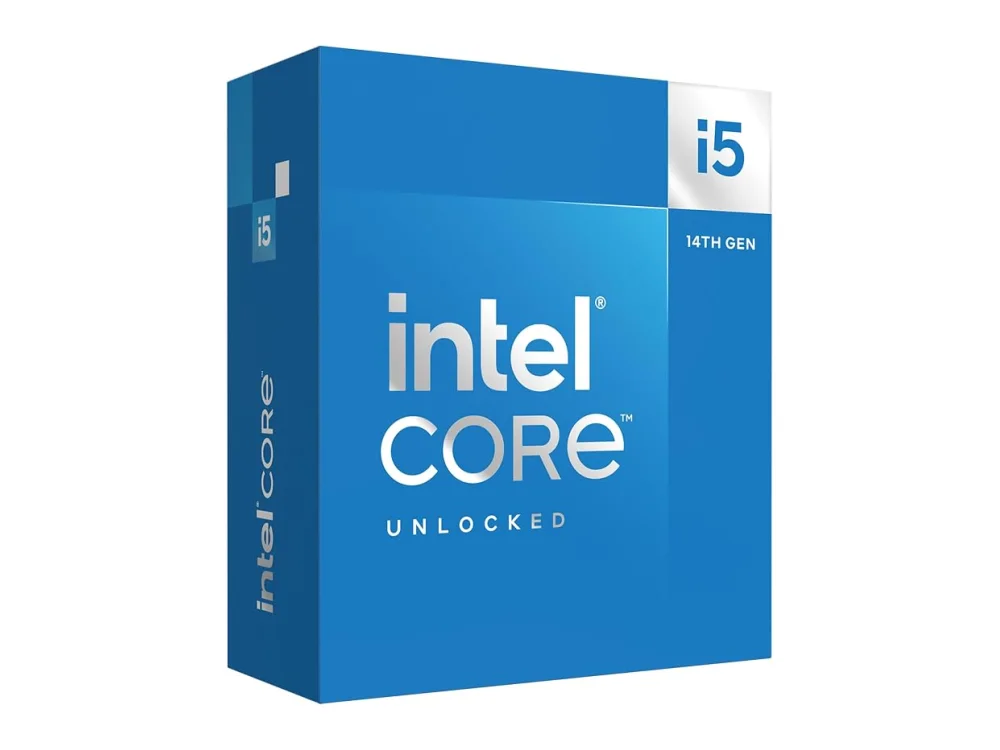 Intel Core i5-14600K
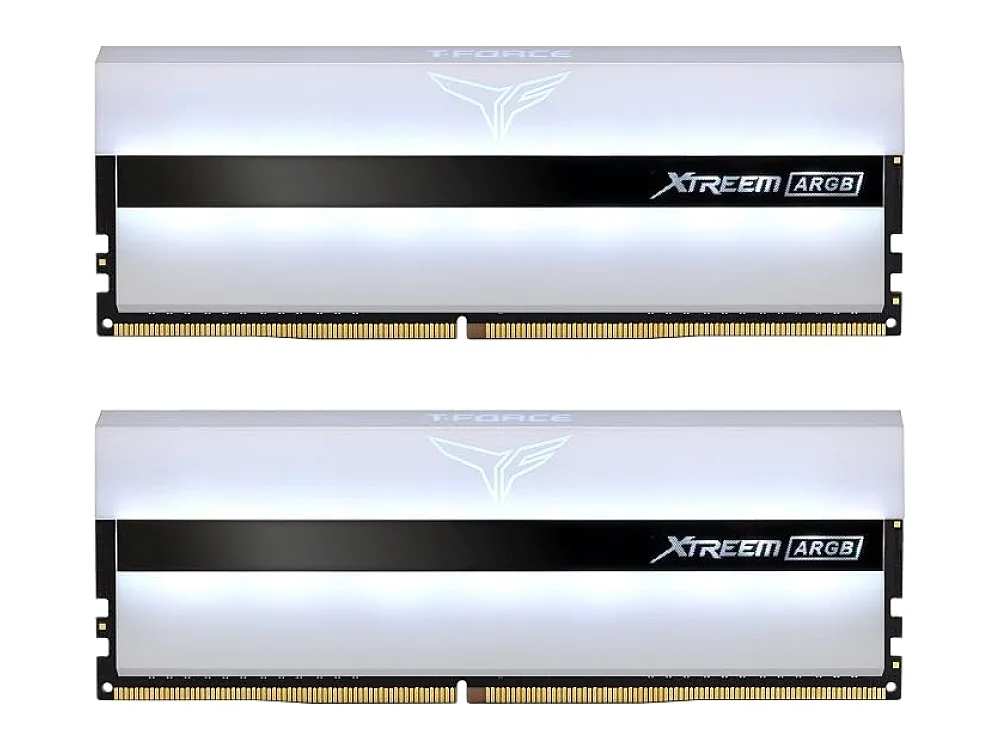 TeamGroup T-Force Xtreem ARGB DDR4-3600
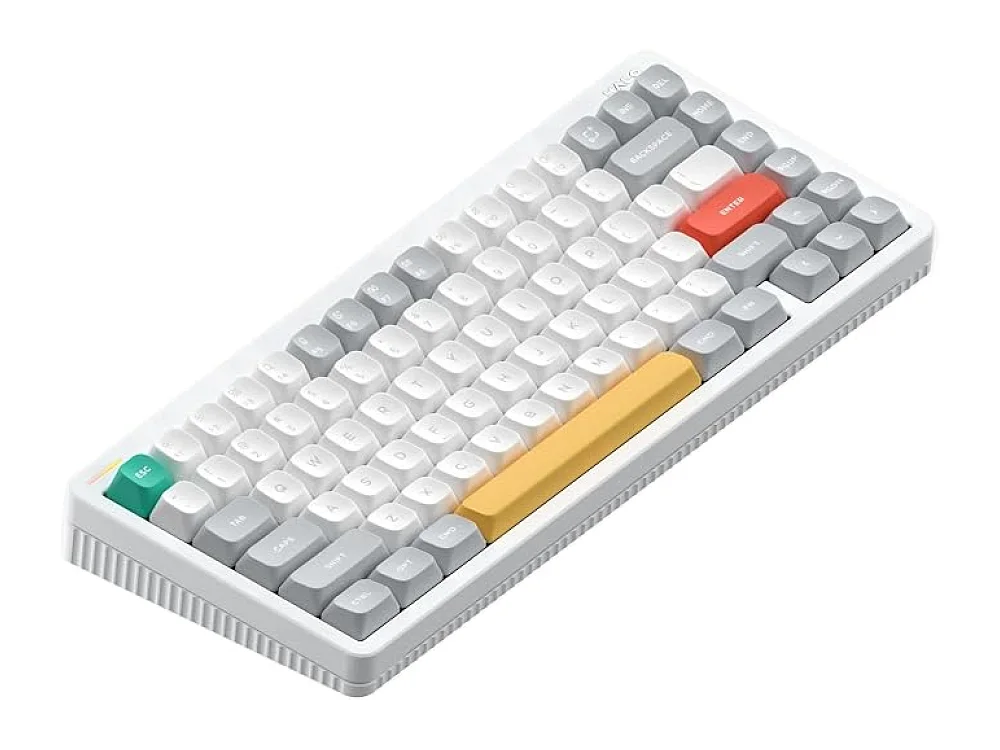 NuPhy Halo75 V2
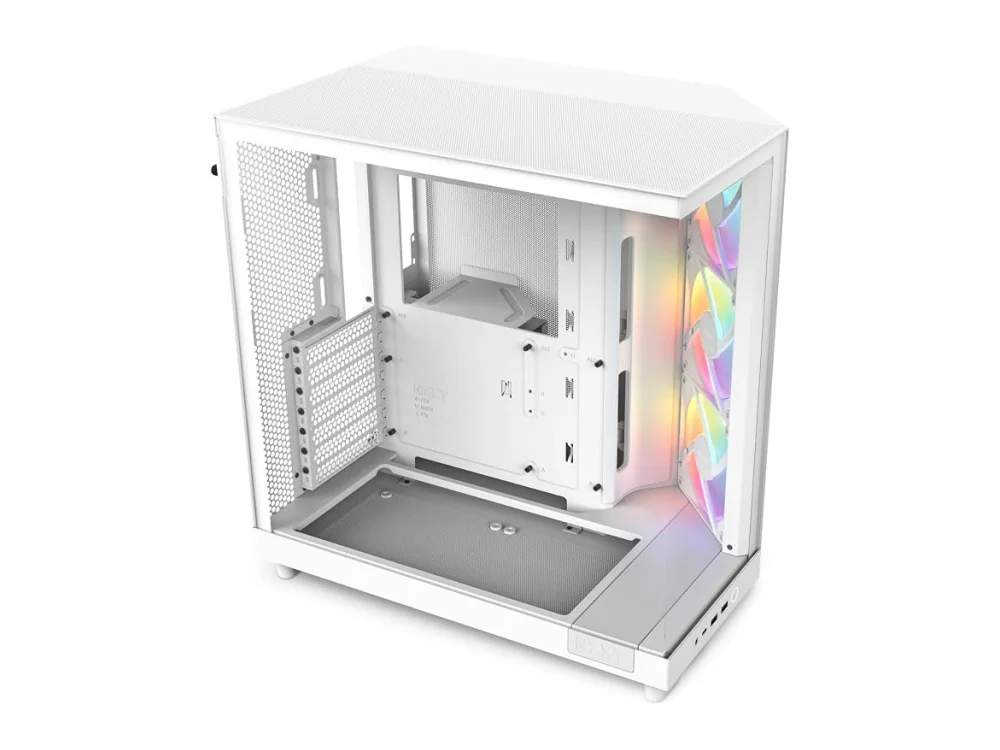 NZXT H6 Flow
 PreSonus Eris E4.5
 Razer Blade 16 (2026)
Leave a comment
Questions, corrections or your own experience: it goes to our team at comments@runonconsole.com and you get a copy.