AMD Radeon 9060 XT 16GB vs 8GB – Which Should You Buy?

Article Overview & Key Takeaways
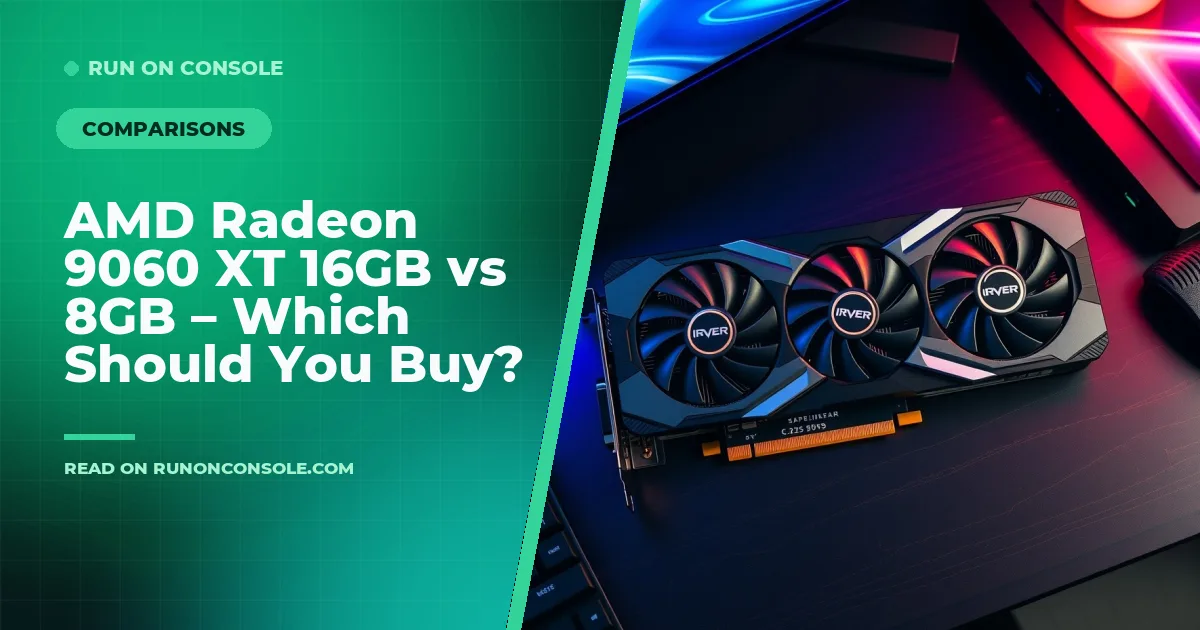
The AMD Radeon 9060 XT comes in 16GB and 8GB variants. We break down their specs, performance, and ideal use‑cases so you can decide which version fits your gaming rig.
Gaming gear to check
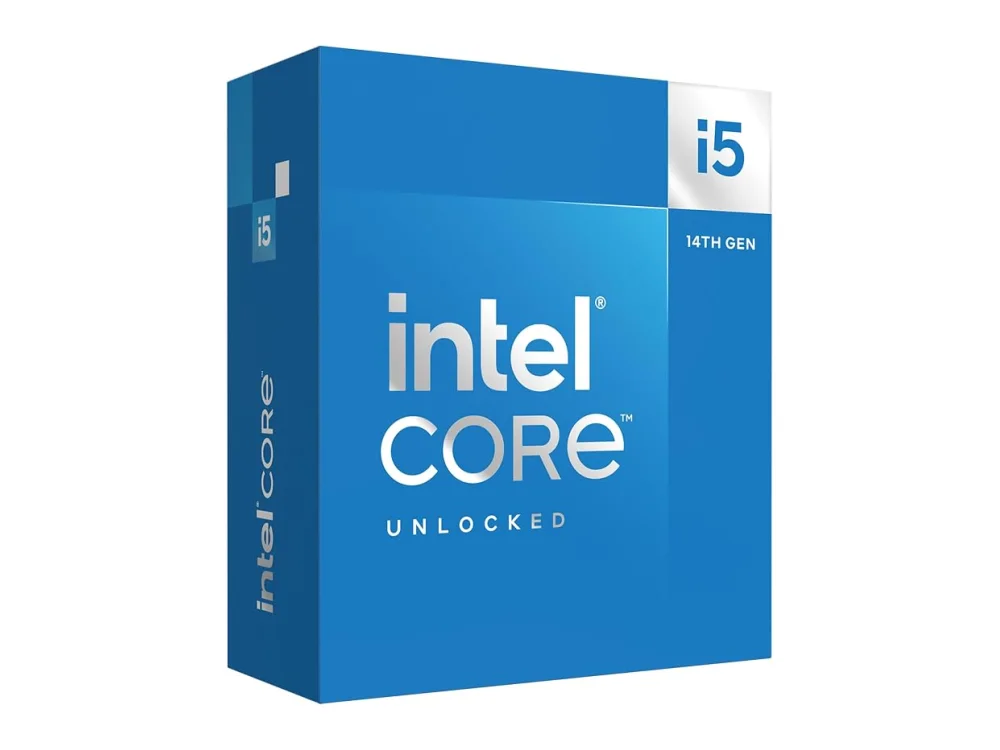 Intel Core i5-14600K
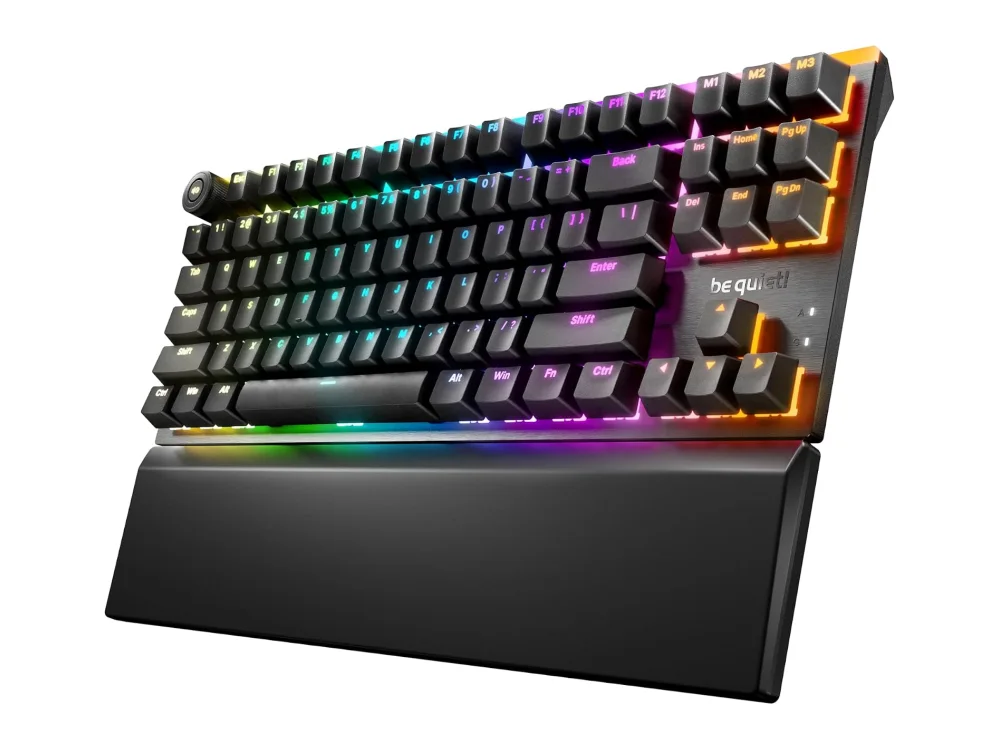 be quiet! Light Mount TKL
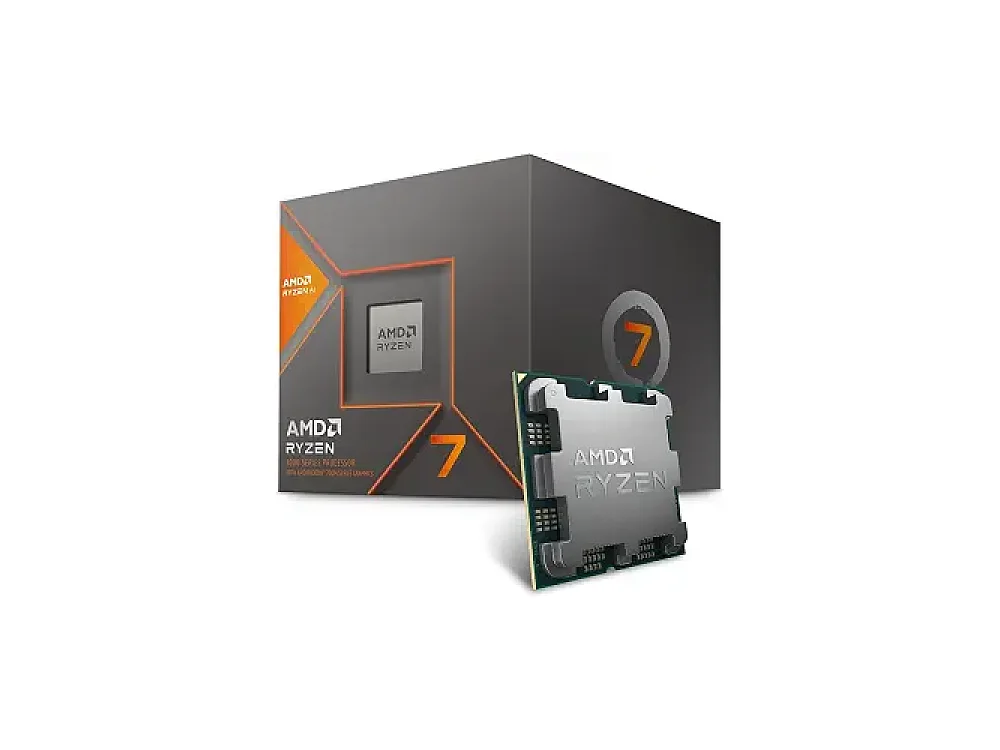 AMD Ryzen 7 8700G
Both the AMD Radeon 9060 XT 16GB and the AMD Radeon 9060 XT 8GB target 1080p‑1440p gamers who want solid frame rates without breaking the bank. In this guide we compare the two models head‑to‑head, highlight where the extra memory matters, and help you pick the right card for your play style. For a broader look at the GPU market see our Graphics Cards (GPU) hub.
AMD Radeon 9060 XT 16GB – Who Is It For?
The AMD Radeon RX 9060 XT 16GB is aimed at gamers who want to push higher texture settings, run games at 1440p, or dabble in light 4K. Its 16 GB of GDDR6 memory gives it a comfortable head‑room for modern titles that are increasingly memory‑hungry.
- Key features: 16 GB GDDR6, 256‑bit memory bus, up to 2.2 GHz boost clock, RDNA 3 architecture.
- Pros: Better performance at higher resolutions, future‑proofing for upcoming titles, smoother experience with high‑resolution texture packs and AMD FSR upscaling.
- Cons: Slightly higher power draw (around 200 W) and a modest price premium over the 8 GB version.
If you pair this card with a Ryzen 5 5600X or a newer Ryzen 7, you’ll see consistently strong frame rates in titles like Cyberpunk 2077, Starfield, and Assassin’s Creed Valhalla. The extra VRAM also helps with multi‑monitor setups and higher‑resolution streaming.
Want to buy a graphics card? Here are 3 similar picks:
- NVIDIA GeForce RTX 5080: High-end / 4K
- AMD Radeon RX 9070: Upper mid-range / 1440p
- AMD Radeon RX 9070 GRE: Value / 1440p
Open a product to see its full details, then use the Amazon button there.
AMD Radeon 9060 XT 8GB – Who Is It For?
The AMD Radeon RX 9060 XT 8GB is the more budget‑friendly sibling. It’s perfect for gamers who stay at 1080p or 1440p with medium‑high settings and don’t plan to use ultra‑high‑resolution texture packs.
- Key features: 8 GB GDDR6, 128‑bit memory bus, up to 2.1 GHz boost clock, same RDNA 3 core count as the 16 GB model.
- Pros: Lower price, reduced power consumption (≈180 W), fits easily in smaller cases.
- Cons: May hit VRAM limits in newer titles at 1440p with max textures, less head‑room for future games that demand >8 GB.
For a mainstream build with a Ryzen 5 5600G or an Intel i5‑12400, the 8 GB variant still delivers smooth 60‑fps gameplay in most esports titles and many AAA games at 1080p.
Want to buy a graphics card? Here are 3 similar picks:
- AMD Radeon RX 9070 XT: High-end / 1440p-4K
- Intel Arc B580: Budget / 1080p-1440p
- NVIDIA GeForce RTX 5060: Mainstream / 1080p
Open a product to see its full details, then use the Amazon button there.
Feature Comparison at a Glance
| Feature | AMD Radeon 9060 XT 16GB | AMD Radeon 9060 XT 8GB |
|---|---|---|
| Memory | 16 GB GDDR6 | 8 GB GDDR6 |
| Memory Bus | 256‑bit | 128‑bit |
| Boost Clock | Up to 2.2 GHz | Up to 2.1 GHz |
| Power Draw (Typical) | ≈200 W | ≈180 W |
| Target Resolution | 1440p‑4K (light) | 1080p‑1440p (medium) |
| Price Position | Higher | Lower |
Performance and Memory Considerations
Modern games are increasingly using more than 8 GB of VRAM, especially when you enable high‑resolution texture packs or AMD’s FidelityFX Super Resolution (FSR 2.0). The 16 GB model gives you breathing room for titles like Battlefield 2042 or Red Dead Redemption 2 at 1440p with ultra settings. The 8 GB version will still run those games, but you may need to drop texture quality or rely on FSR to keep frame rates smooth.
For esports titles—Valorant, CS:2, Fortnite—the 8 GB card is more than enough. Even at 1440p you’ll see well above 144 fps with high refresh‑rate monitors, which you can explore in our Gaming Monitors hub.
Driver Support and Software
Both cards use the same AMD Radeon 9060 XT drivers, which are updated monthly through the Radeon Software suite. The driver stack includes features like Radeon Boost, Radeon Anti‑Lag, and the latest version of AMD FSR. Because the hardware is identical apart from memory, driver performance is virtually the same; the difference you’ll notice is purely from the VRAM ceiling.
For a deeper dive into what each spec means, read our Graphics Card Specs Meaning: What Actually Matters guide.
Which One Should You Pick?
Below is a quick recommendation matrix based on typical gamer profiles:
- Casual 1080p gamer – The 8 GB model gives you great value and handles all mainstream titles with ease.
- Competitive esports player – 8 GB is sufficient; focus on a high‑refresh monitor and low latency settings.
- 1080p‑1440p enthusiast who loves texture mods – The 16 GB version prevents stutters when loading high‑resolution assets.
- Future‑proof builder aiming for occasional 4K – 16 GB is the safer bet, especially as games continue to push VRAM usage.
Don’t forget to check your power supply capacity and case clearance before ordering. If you need help matching the card to your motherboard, our How to Choose a Graphics Card for My Motherboard – Simple Guide walks you through the key compatibility steps.
FAQ
Will the AMD Radeon 9060 XT 8GB run modern AAA games at 1440p?
Yes, but you’ll likely need to set texture quality to medium‑high and enable AMD FSR to maintain smooth frame rates. The 16 GB model lets you keep textures on ultra without as much compromise.
Is there a noticeable performance difference between the 8GB and 16GB versions in esports titles?
In fast‑paced esports titles the difference is minimal because they rarely exceed 4‑6 GB of VRAM. Both cards will deliver high FPS; the deciding factor is usually price.
Do both cards support ray tracing?
Both the 8GB and 16GB variants support AMD’s ray‑accelerated cores, but the 9060 XT line is positioned as a mid‑range card, so ray‑traced performance will be modest. Expect lower frame rates at 1080p with ray tracing enabled.
Can I use the AMD Radeon 9060 XT in a small form‑factor case?
The 8 GB version’s lower power draw and shorter PCB make it a better fit for compact builds. The 16 GB model may require a larger chassis and better airflow.
Conclusion
Both the AMD Radeon 9060 XT 16GB and AMD Radeon 9060 XT 8GB deliver solid performance for current games, but the extra memory on the 16 GB model offers more flexibility for higher resolutions, texture‑heavy mods, and future titles. If you’re on a tighter budget or primarily play esports at 1080p, the 8 GB version is a sensible choice. For gamers who want to push 1440p settings and keep a longer lifespan, the 16 GB variant is worth the extra cost.
Need to see if a specific game will run? Try our Can I run it? checker. And for a broader view of the market, check out the Best graphics cards 2026 for gaming: our top picks article.
Keep reading: more on Graphics Cards (GPU)
Keep reading
Gaming gear on Run On Console
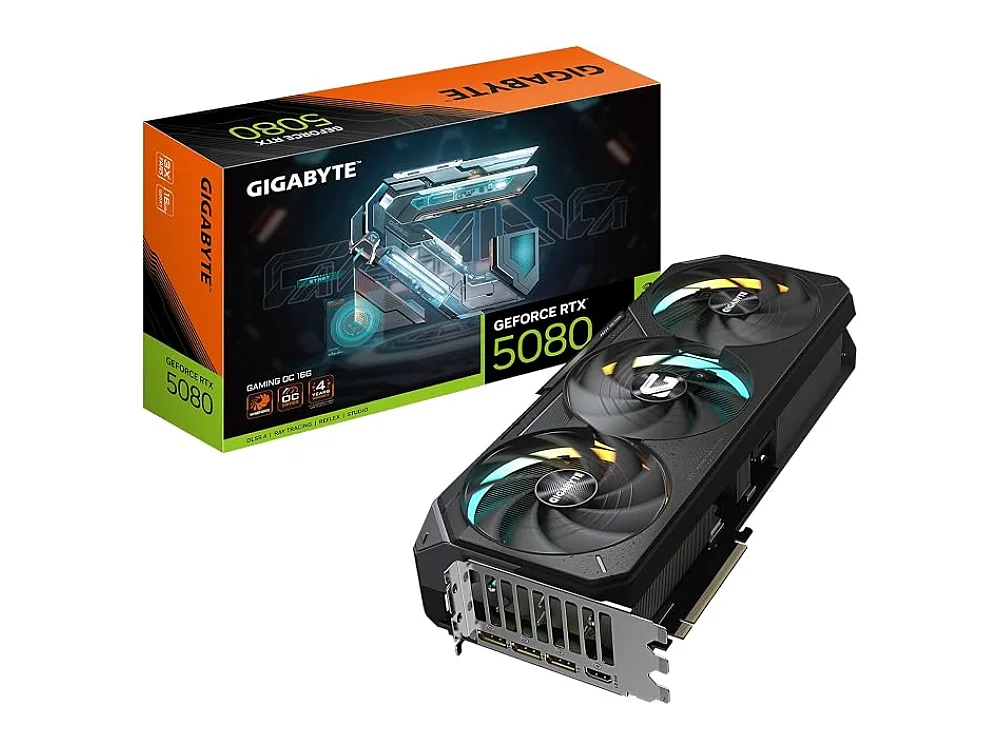 NVIDIA GeForce RTX 5080 vs NVIDIA GeForce RTX 5060
 Samsung Odyssey OLED G73SH S32HG732S
 GPD WIN 5
 Razer Naga V3 Pro
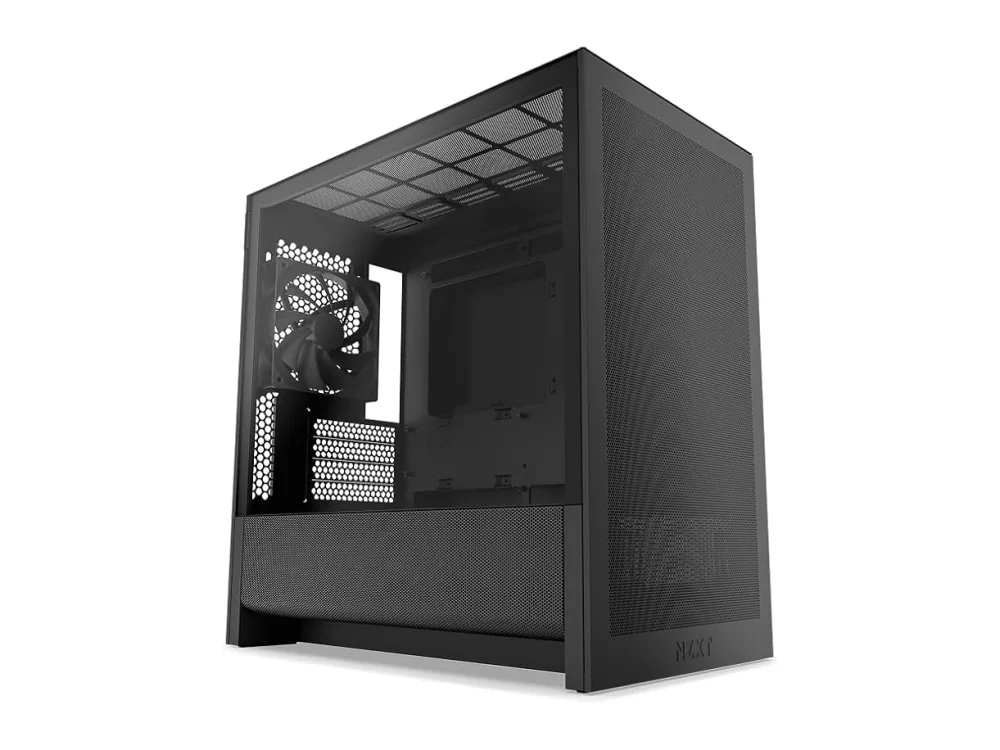 NZXT H3 Flow
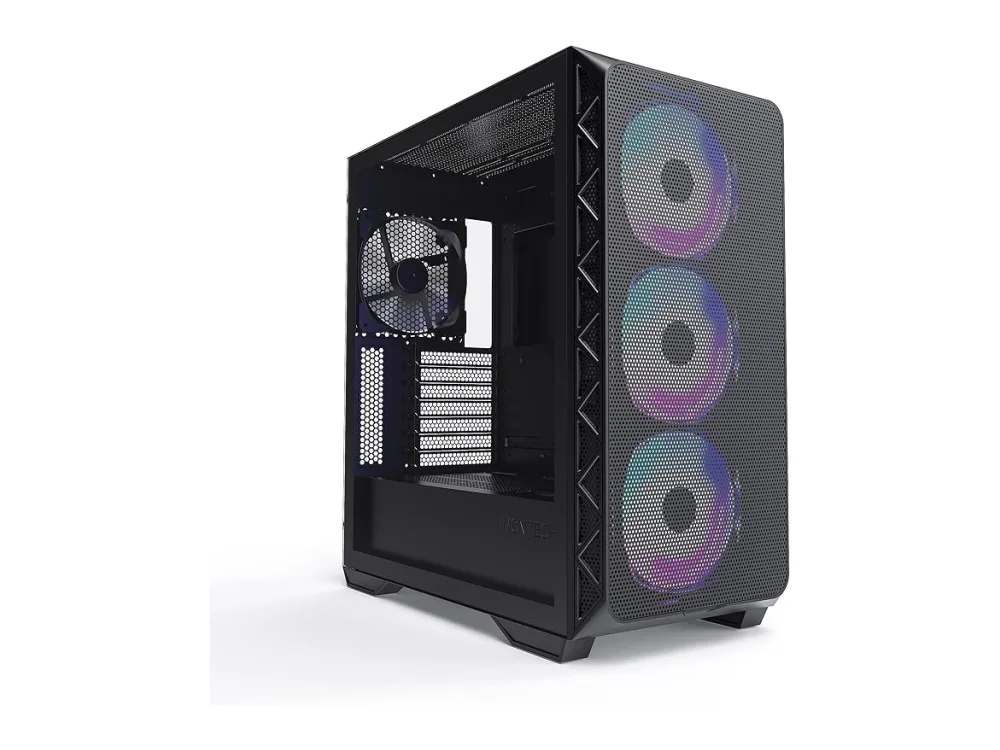 Phanteks XT Pro Ultra
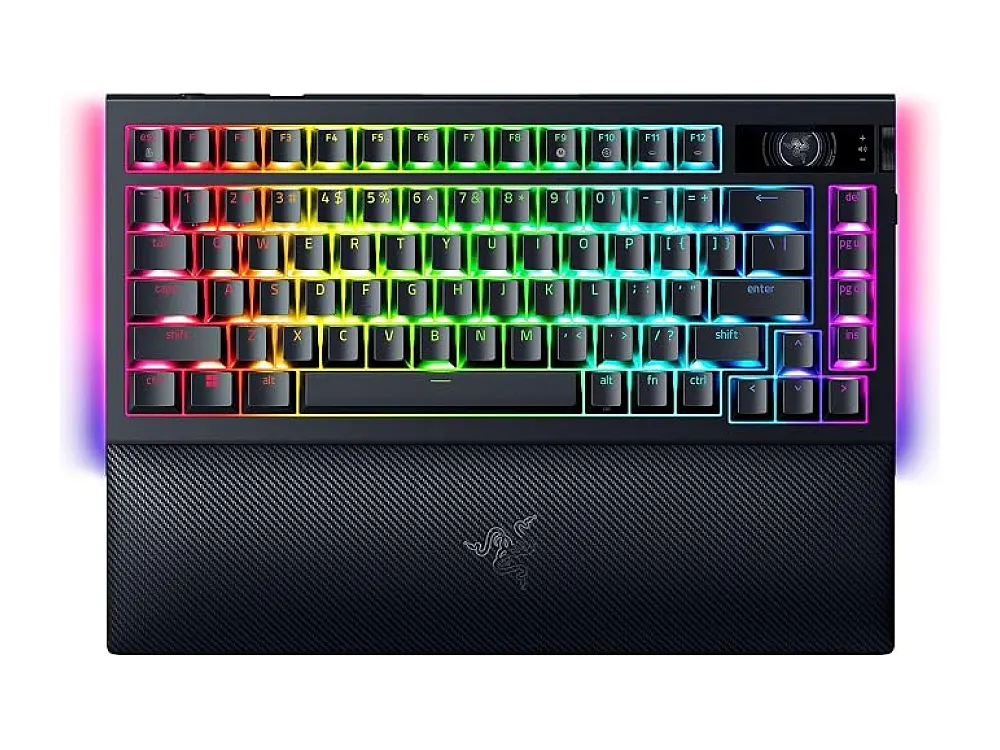 Razer BlackWidow V4 Pro 75%
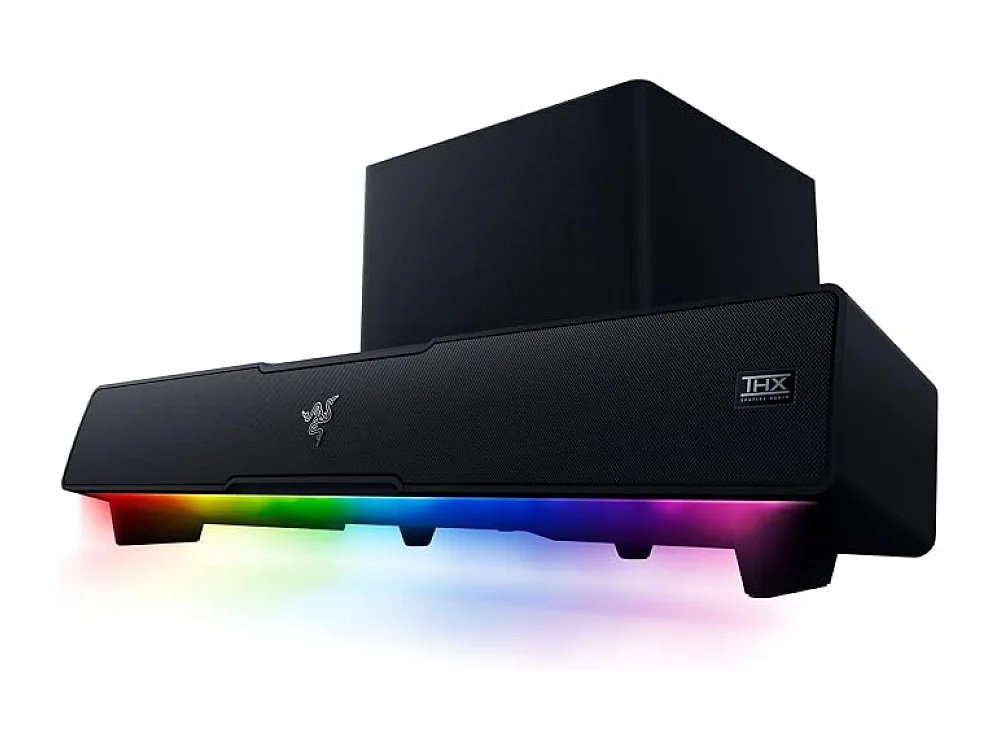 Razer Leviathan V2
Leave a comment
Questions, corrections or your own experience: it goes to our team at comments@runonconsole.com and you get a copy.