TCL Shows 1-Watt 14-Inch 120Hz LCD in Lenovo Yoga Prototype

The story in short
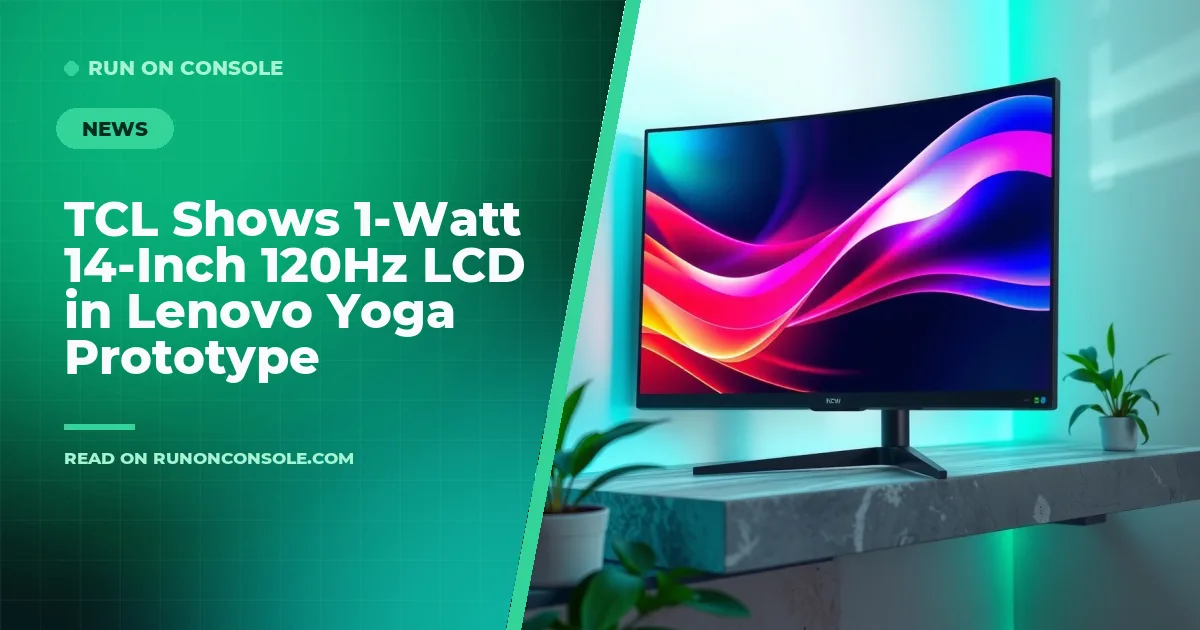
TCL CSOT presented a 14-inch 120Hz IPS LCD panel consuming only 1 watt of power in a Lenovo Yoga Pro prototype at DTC 2026. The display targets ultra-low power usage while maintaining standard refresh rates.
Gaming gear to check
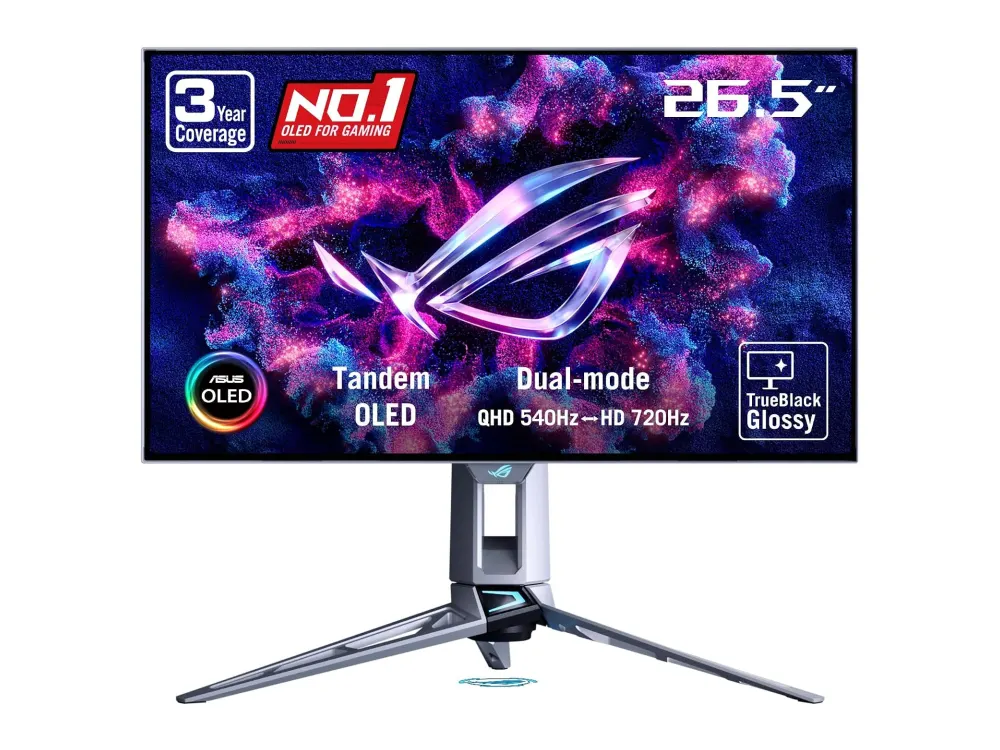 ASUS ROG Swift OLED PG27AQWP-W
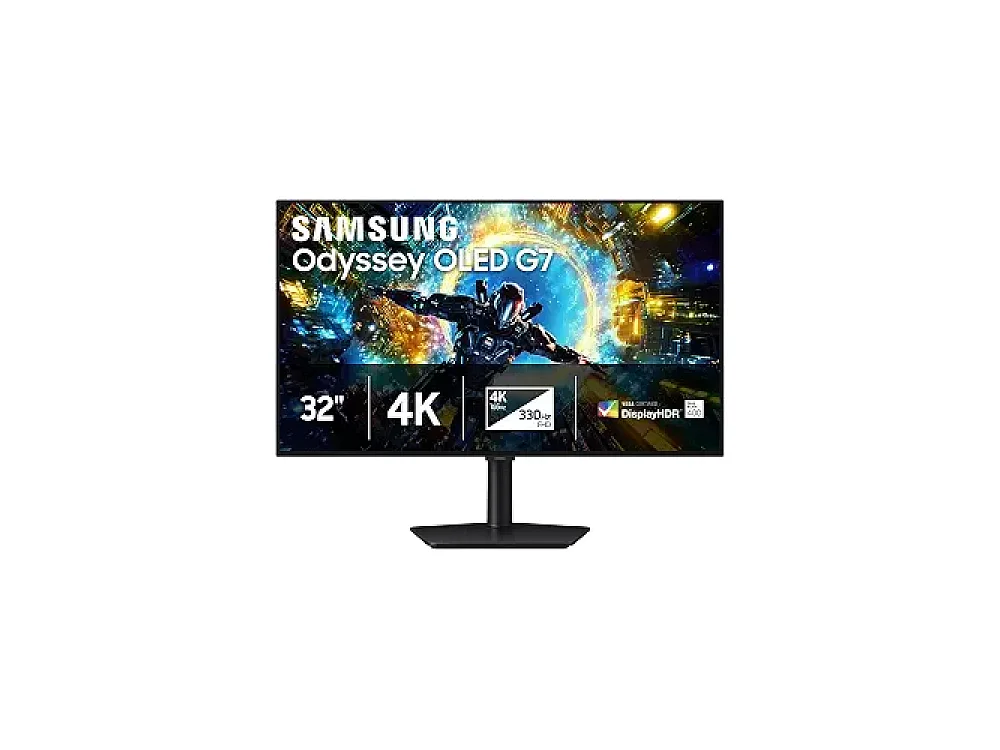 Samsung Odyssey OLED G73SH S32HG732S
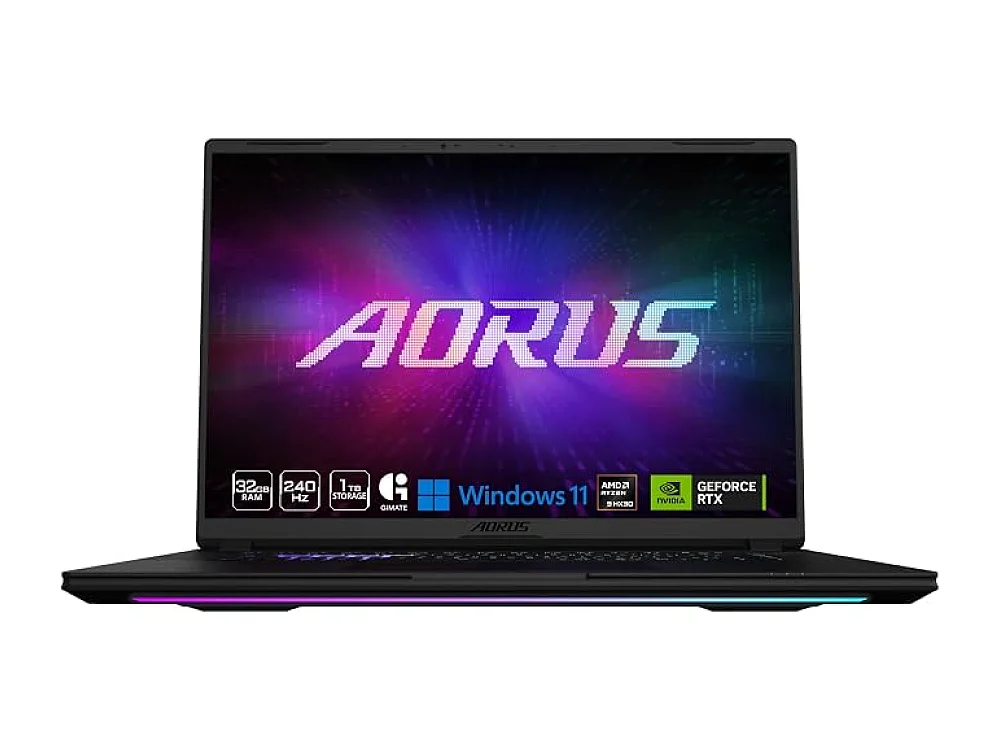 Gigabyte AORUS Master 16
TCL CSOT showcased a new display technology at DTC 2026 featuring a 14-inch IPS LCD panel that draws as little as 1 watt of power. The prototype was integrated into a Lenovo Yoga Pro laptop, highlighting a shift toward energy-efficient panel designs for mobile computing.
What we know
According to reports from the event, the display in question is a 14-inch IPS LCD capable of a 120 Hz refresh rate. Unlike the high-end OLED monitors TCL has previously announced, this panel focuses on reducing power consumption to the milliwatt class. The peak brightness of the screen is reported to fall between 300 and 400 nits. While the specific luminance settings required to achieve the 1-watt draw are not publicly detailed, the technology aims to significantly lower the energy footprint of notebook displays without sacrificing modern refresh rates.
Why it matters for gamers
Lower power consumption in displays directly translates to extended battery life for laptop users. For gamers who rely on portable hardware, a panel that uses less energy allows the system to run for longer periods between charges. This is particularly relevant as users seek to balance performance with portability, avoiding the heavy power demands typically associated with high-refresh-rate OLED panels. If this technology scales to production, it could make high-refresh laptop gaming more sustainable for all-day use.
ROC's take
This development is a strong signal for users prioritizing battery life over peak brightness. Current high-refresh OLED laptops often drain power quickly due to the nature of the panel technology, making this IPS alternative compelling for casual gamers and students. Gamers with desktop setups can safely ignore this news, as it is strictly a mobile component. However, those looking to upgrade their portable rigs should watch for when Lenovo integrates this panel into retail models, as it may outperform current battery options in terms of endurance. It does not replace the need for efficient GPUs, but it complements them by reducing overall system power draw.
What to do now
If you are using a laptop for gaming, check the PC requirements of your favorite titles to ensure your hardware is still capable. For those interested in other display technologies, browse our picks for the best Gaming Monitors to compare current market options. You can also explore our Intel Arc B390 Laptop coverage to see how mobile graphics performance is evolving alongside display efficiency. Keep an eye on our gaming hardware section for updates as this technology moves from prototype to production.
See it on Run On Console
- Phanteks XT Pro Ultra: specs and our verdict · check the price on Amazon
- Best pc cases: our picks
- Best gaming monitors: our picks
As an Amazon Associate, Run On Console earns from qualifying purchases. Prices and stock are on Amazon.
Sources
Verified by 2 trusted sources. This story was written from the reports below and checked against them before it was published.
Keep reading
Gaming gear on Run On Console
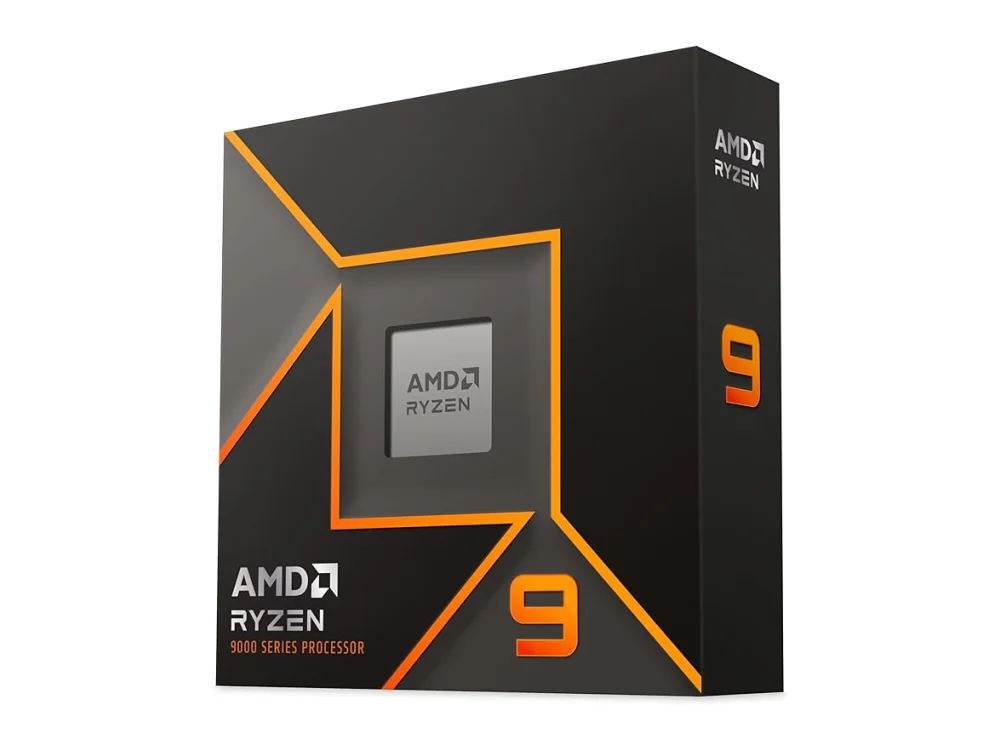 AMD Ryzen 9 9900X
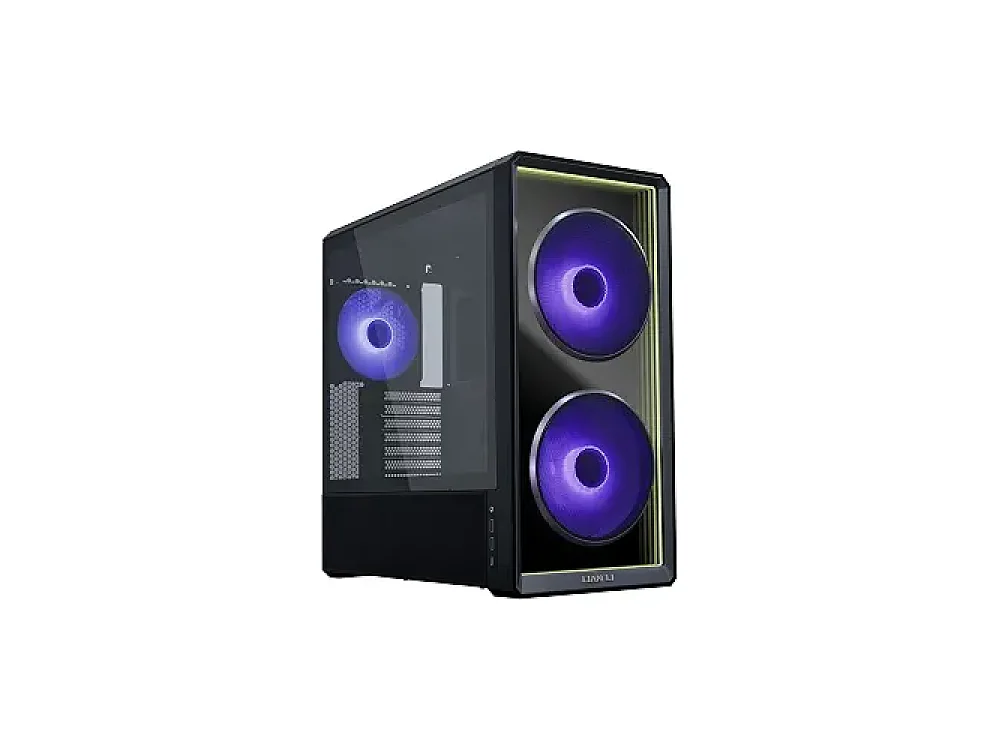 Havn BF 360
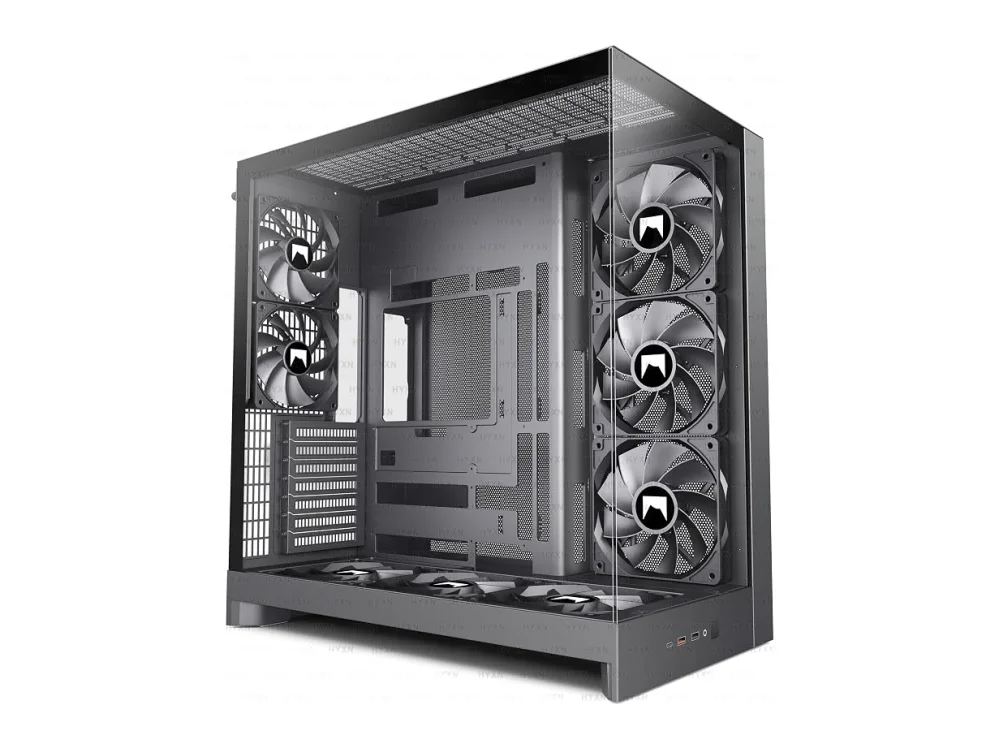 Montech TG3
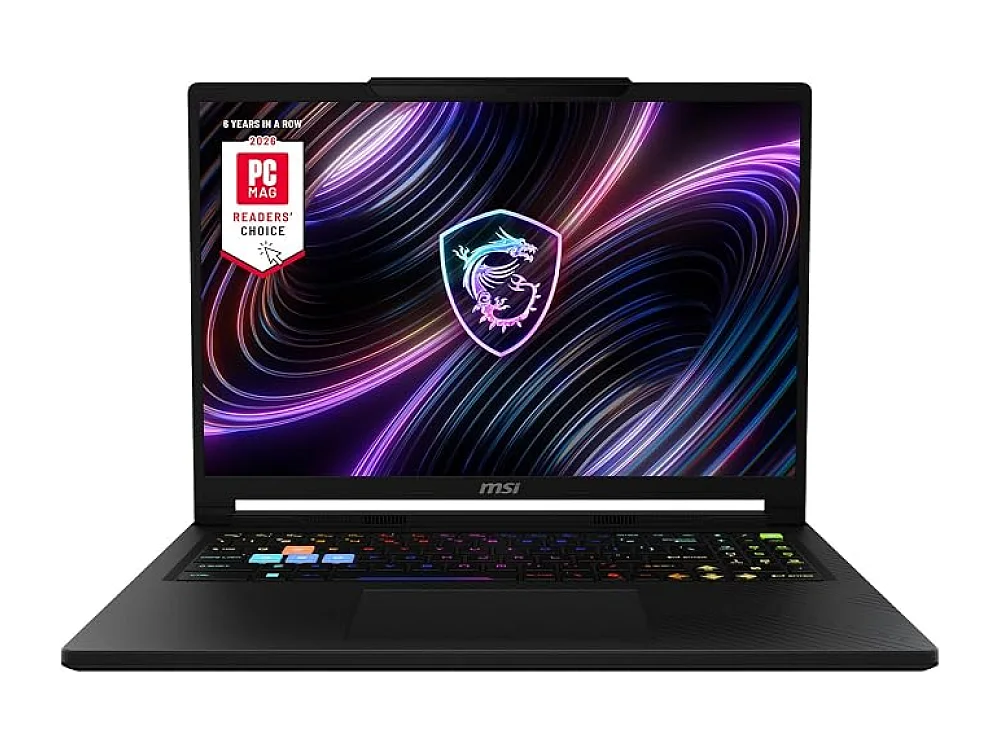 MSI Raider A18 HX
 GTPLAYER Comfort
 HyperX Cloud Alpha Wireless
 Intel Core i7-12700K
 Keychron Q1 HE
Leave a comment
Questions, corrections or your own experience: it goes to our team at comments@runonconsole.com and you get a copy.