AMD Ryzen 5 7600X3D vs AMD Ryzen 5 8600G
The Ryzen 5 7600X3D is a dedicated gaming chip with 3D V-Cache for lower latency, while the Ryzen 5 8600G includes integrated Radeon graphics for budget builds. Choose the 7600X3D if you have a discrete GPU and want higher frame rates in cache-heavy titles. Pick the 8600G if you need a low-cost system that runs games without a separate graphics card.
 VS
VS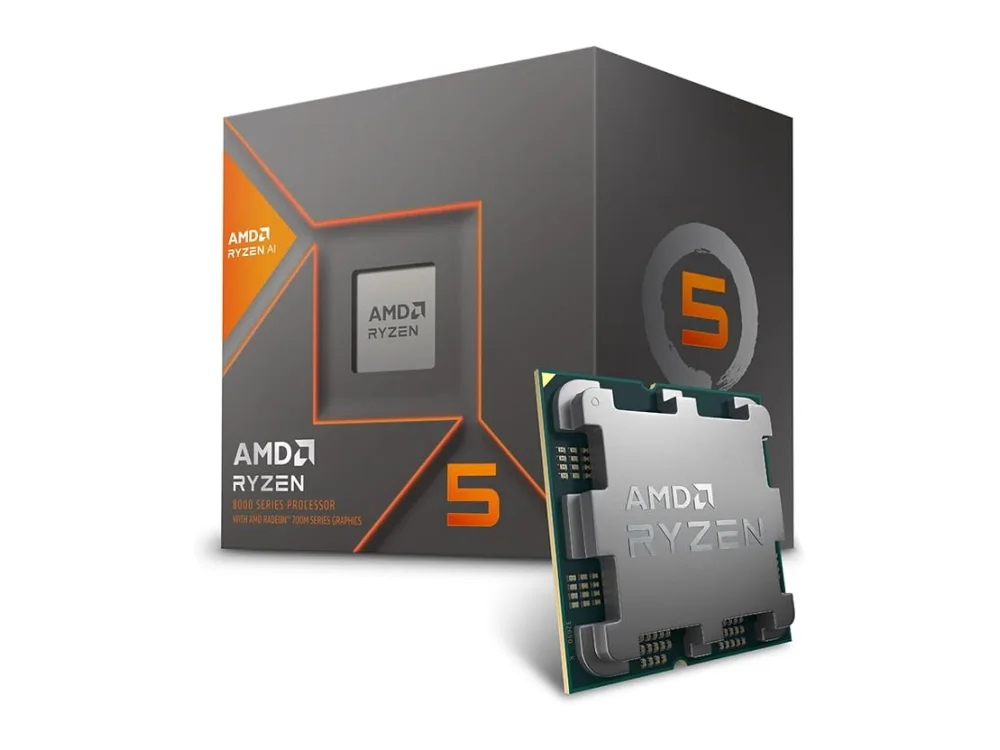
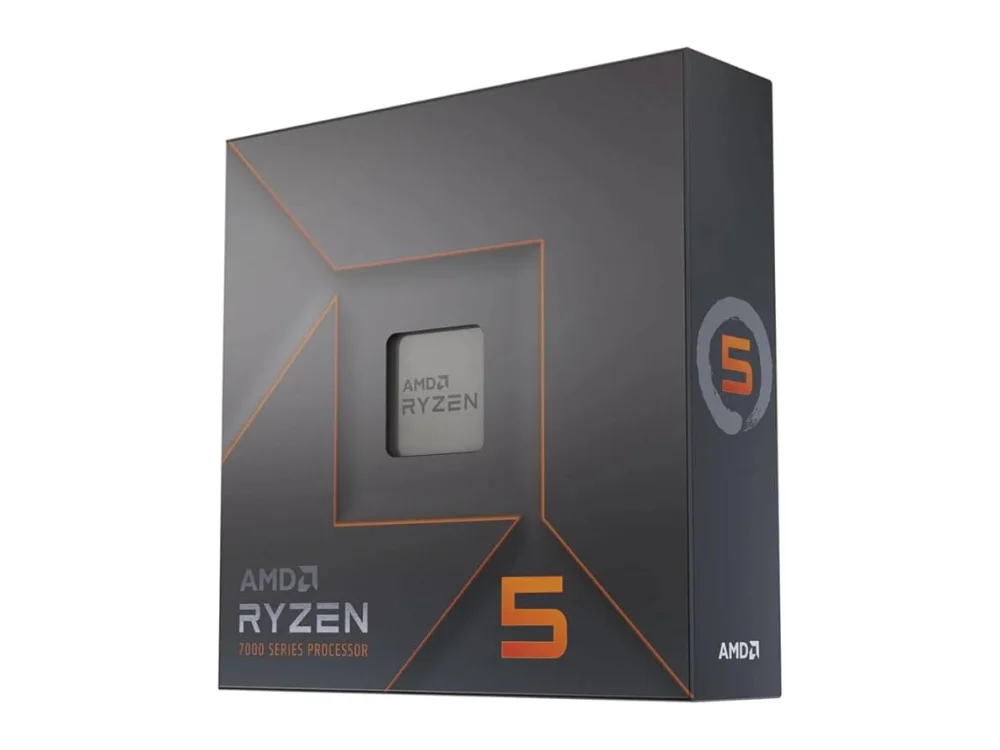
AMD Ryzen 5 7600X3D
Cache-heavy gamingAMD Ryzen 5 7600X3D is the right choice if you already own or plan to buy a dedicated graphics card and want the best possible frame rates in open-world or fast-paced shooters. It is ideal for players who prioritize consistent frame times and have an AM5 platform with adequate cooling.
AMD Ryzen 5 8600G
Budget gaming PCs with integrated graphicsAMD Ryzen 5 8600G suits budget-conscious gamers who want to build a PC without spending on a separate graphics card. It is a solid option for casual esports, indie games, and home theater PCs where integrated graphics are sufficient.
The differences that matter
- The 7600X3D features 3D V-Cache to improve performance in cache-sensitive games, whereas the 8600G relies on standard architecture without this specific cache stacking.
- The 8600G includes integrated Radeon graphics capable of running many titles at 1080p, while the 7600X3D requires a discrete GPU for any gaming performance.
- The 7600X3D is optimized for strong single-core performance and low-latency frame times, making it better for competitive play, while the 8600G offers good performance for its price class in mainstream scenarios.
- The 8600G has a lower power draw and is suited for compact or budget builds, while the 7600X3D may require a higher-end cooler to maintain optimal temperatures.
- The 7600X3D requires an AM5 motherboard with a specific BIOS version, while the 8600G works with standard desktop motherboards, though you must verify socket compatibility for both.
Specs side by side
| AMD Ryzen 5 7600X3D | AMD Ryzen 5 8600G | |
|---|---|---|
| Brand | AMD | AMD |
| Cache | 3D V-Cache (X3D) | — |
Pros and cons
AMD Ryzen 5 7600X3D
- 3D V-Cache improves performance in cache-sensitive games
- Strong single-core performance for most titles
- Compatible with existing AM5 platforms
- Reasonable power draw for a gaming CPU
- Limited core count compared to higher-tier Ryzen chips
- Requires a motherboard with the correct BIOS version
- May need a higher-end cooler to stay optimal
AMD Ryzen 5 8600G
- Integrated Radeon graphics handle many games
- Good performance for its price class
- Works with standard desktop motherboards
- Lower power draw than high-end CPUs
- Easy upgrade path within the same socket
- Integrated GPU cannot match dedicated graphics for demanding titles
- Lower core/thread count than premium Ryzen models
- May be outpaced by newer CPUs in raw single-core speed
AMD Ryzen 5 7600X3D vs AMD Ryzen 5 8600G: questions
Which CPU is better for high-end gaming?
The Ryzen 5 7600X3D is generally better for high-end gaming due to its 3D V-Cache, which reduces memory latency. The 8600G is limited by its integrated graphics and is not designed for demanding AAA titles at high settings.
Can I use the Ryzen 5 8600G without a graphics card?
Yes, the 8600G includes integrated Radeon graphics that can handle many games at 1080p. The 7600X3D does not have integrated graphics, so you must pair it with a discrete GPU to display an image.
Is the 7600X3D worth it over the 8600G if I have a GPU?
If you have a discrete GPU, the 7600X3D offers better gaming performance due to its cache advantages. If you are building from scratch on a tight budget and do not plan to add a GPU, the 8600G provides a more complete, single-chip solution.
More on Run On Console
We compare what each product's own specs and listing say; we do not show prices because they change every day. We may earn a commission from qualifying purchases.