Can I run In Silence?
In Silence (2021) is an action game and a light game for a PC. An entry-level graphics card from the last ten years is enough for good settings.
Check your PC
Choose the graphics card, processor and memory closest to yours. Not sure? On Windows press Win + R, type dxdiag and look at "Processor", "Memory" and the Display tab.
In Silence system requirements
| Minimum | Recommended | |
|---|---|---|
| OS | Windows 10 - 64 bit | Windows 10 - 64 bit |
| Processor | Intel i5 or new-gen i3 / AMD equivalent | Intel i7 or AMD equivalent (AMD FX 9500+ Series) |
| Memory | 4 GB RAM | 8 GB RAM |
| Graphics | 2GB Video RAM | 4GB Video RAM |
| Storage | 4 GB available space | 4 GB available space |
Source: the official In Silence Steam page, checked October 2026.
Which PC runs In Silence?
To play it you need at least a GeForce GTX 750 Ti class graphics card, an Intel Core i5-4460 class processor and 4 GB of RAM. For the recommended (high) settings: a GeForce GTX 960 or faster, an AMD FX-8350 class processor and 8 GB of RAM.
Graphics card: minimum
- GeForce GTX 750 Ti
- GeForce GTX 960
- GeForce GTX 1050 Ti
Graphics card: high settings
- GeForce GTX 960
- GeForce GTX 1050 Ti
- Radeon RX 570
Processor: minimum
- Intel Core i5-4460
- AMD Ryzen 5 1600
- Intel Core i3-10100
Processor: high settings
- AMD FX-8350
- Intel Core i5-4460
- AMD Ryzen 5 1600
How common PCs do: GTX 1650 + Core i5-8400 + 16 GB: 100%, high settings; RTX 3060 + Ryzen 5 5600 + 16 GB: 100%, high settings; Laptop with integrated graphics + 8 GB: 40%, below the minimum, not playable well.
Parts with the same speed (and newer, faster ones) work too. Laptop versions of a graphics card are usually a little slower.
Upgrade picks for In Silence
Parts from our product guides that reach the recommended specs.
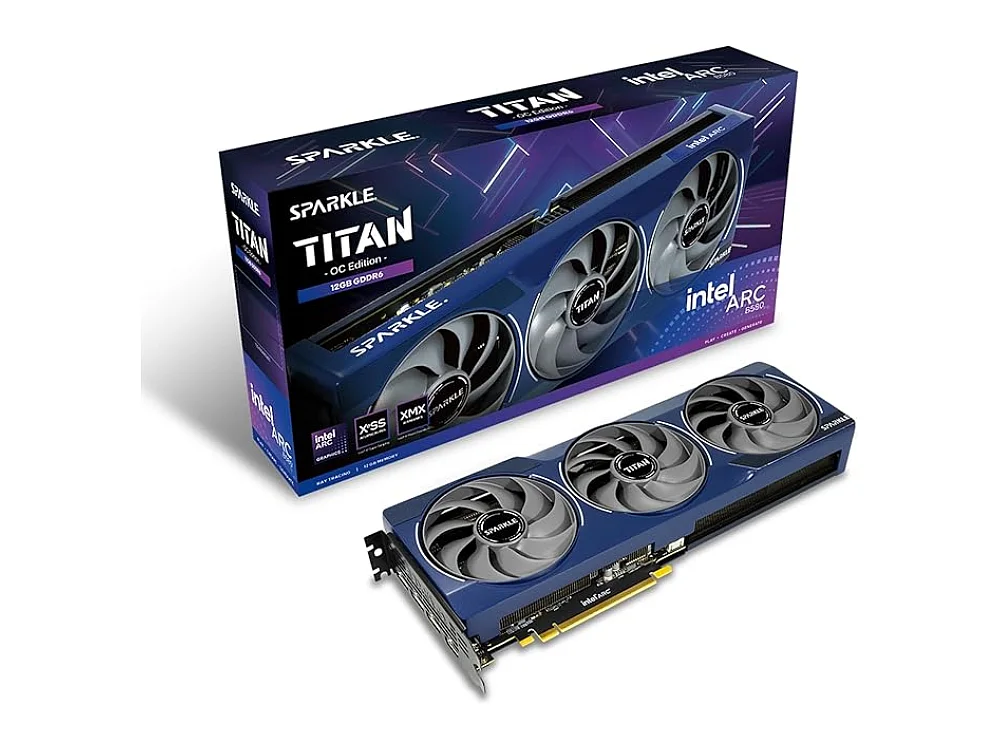
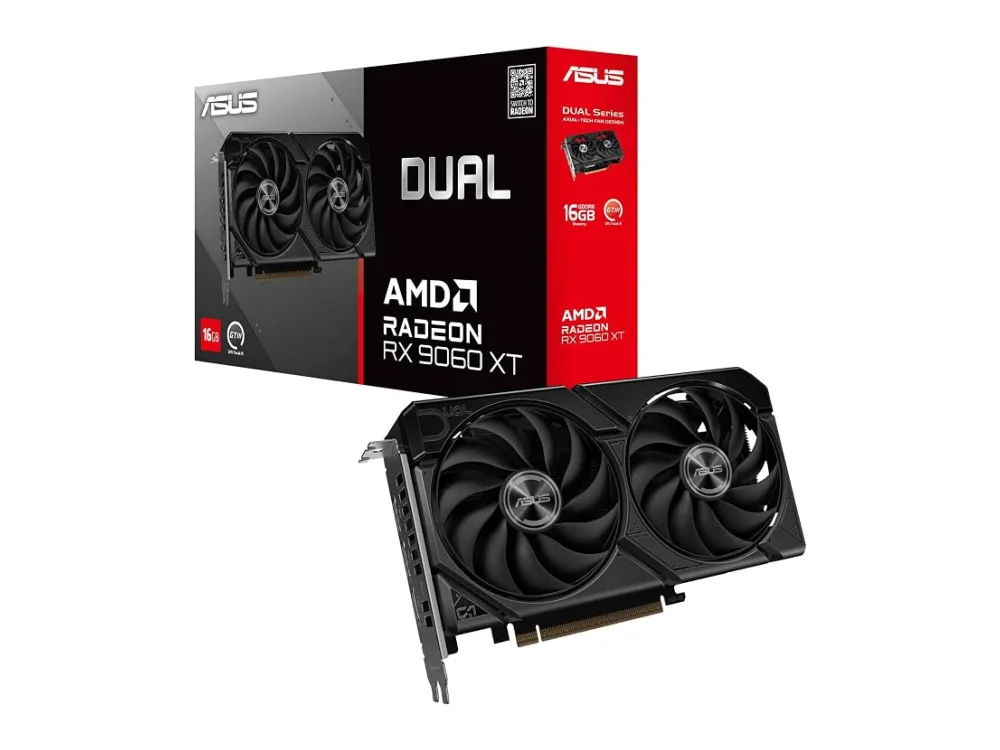
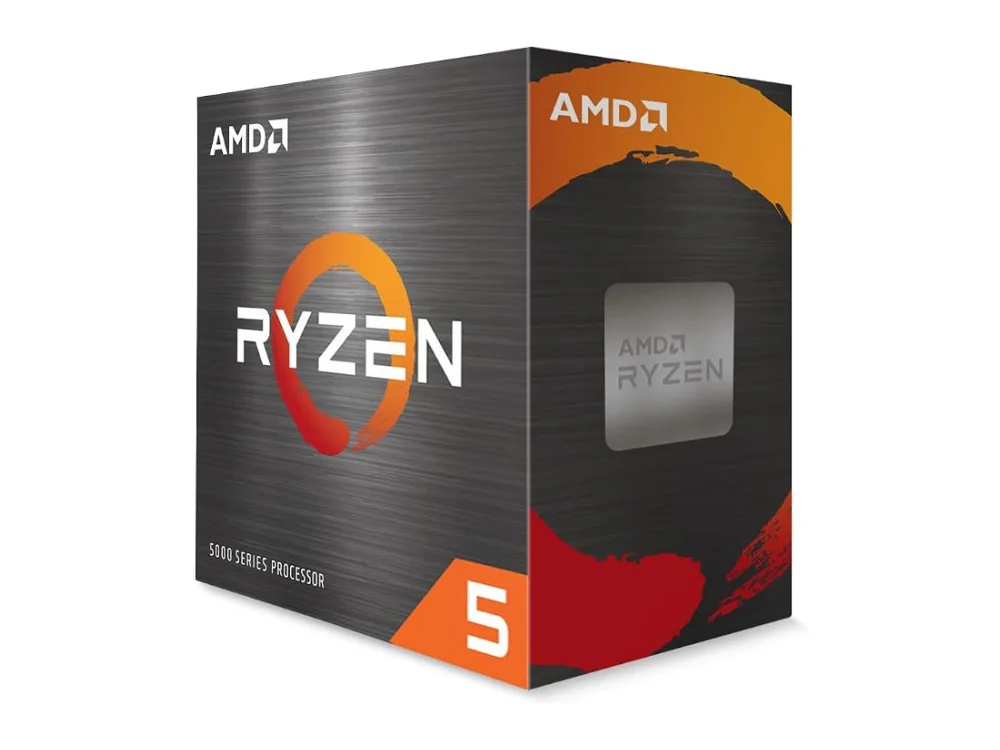
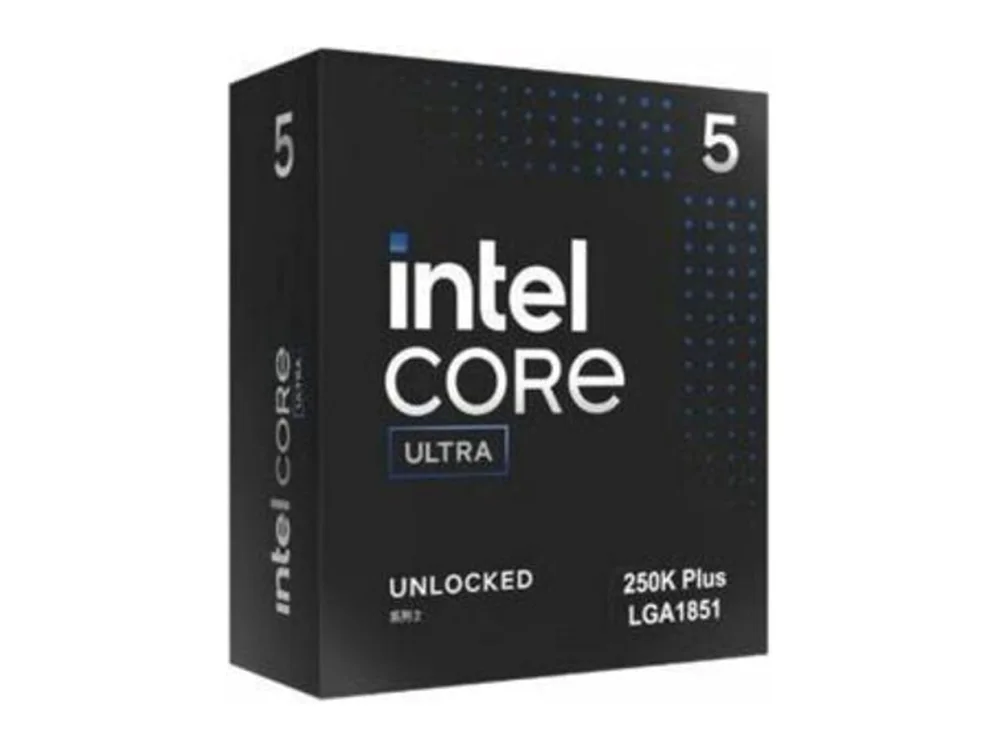
The Intel Core Ultra 5 250K Plus is a desktop processor from Intel. See the full specifications and the current price on
As an Amazon Associate we earn from qualifying purchases.
In Silence: questions
What are the minimum system requirements for In Silence?
What are the recommended requirements for In Silence?
What graphics card do I need for In Silence?
Can a GTX 1650 run In Silence?
Can In Silence run without a graphics card (integrated graphics)?
Is 8 GB of RAM enough for In Silence?
How much storage does In Silence need?
Similar games: can you run them?
Ask ROC, our gaming assistant (the chat button), "can my PC run In Silence?" and tell it your parts, or upload your dxdiag file.